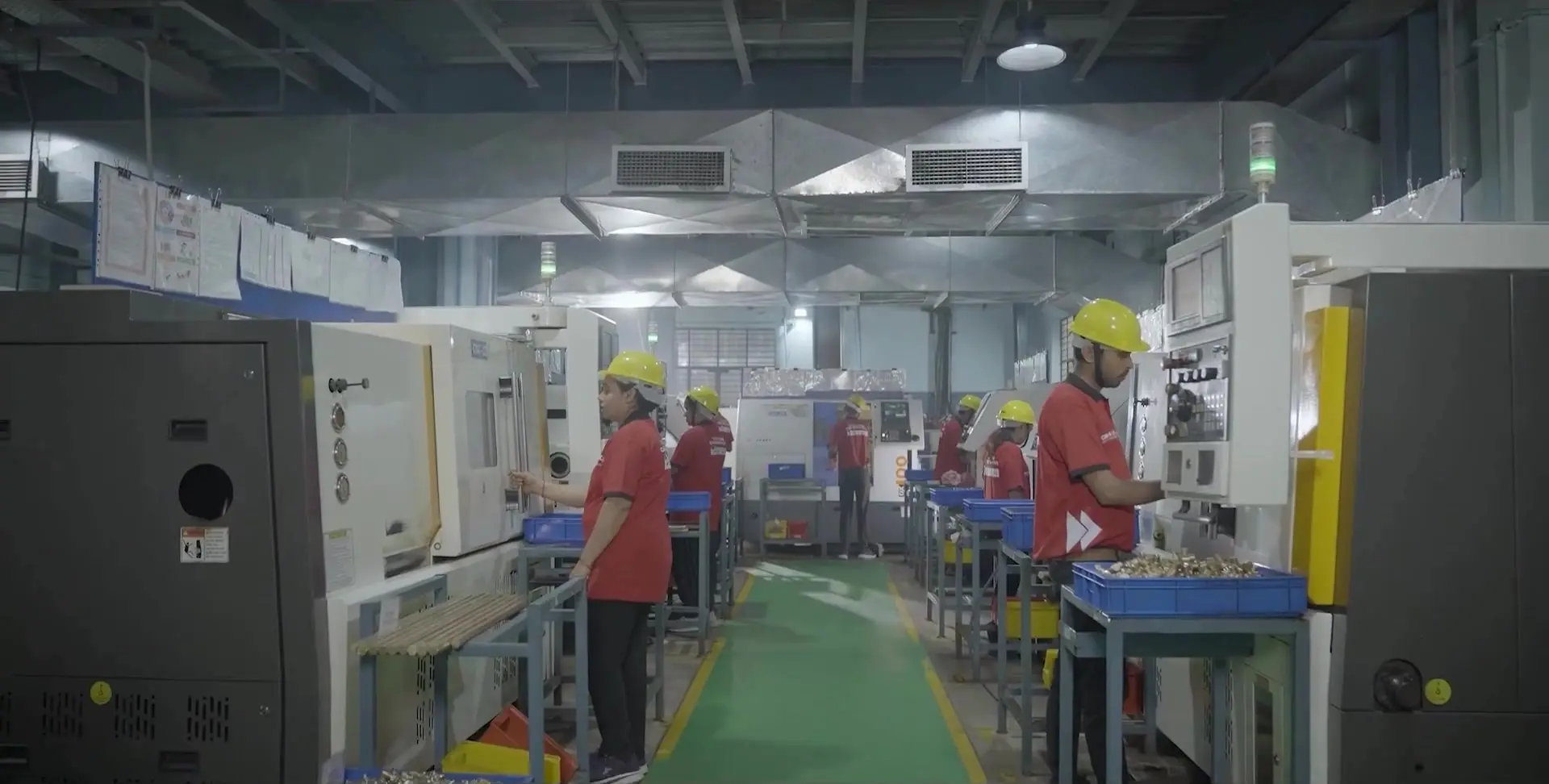
01 · Make
Tool-room and CNC machining
In-house tool-room support and controlled machining connect a defined product requirement with a repeatable production part.
MIJO Auto Gas · Established 2001
MIJO designs and manufactures CNG and LPG systems, components and specialised automotive products for passenger vehicles, three-wheelers, commercial vehicles, generators and other engine applications.
The company story
MIJO began in 2001 with a focused automotive ambition: to develop practical alternative-fuel products around the real needs of the vehicle. From its initial machine base, the company moved steadily towards in-house product development, value engineering and closer control over how its products are made and tested.
That journey expanded from conventional LPG and CNG conversion systems into sequential fuel injection, individual components, diesel-engine applications, generators and a wider group of automotive technologies. Today, MIJO works across the complete route—from defining a product and manufacturing its parts to matching the final system with the intended application.
The company serves vehicle owners, workshops, distributors, fleets, OEM programmes and export partners. The requirement may change, but the principle remains the same: understand the engine, operating duty and market before confirming the product route.
Continue developing products that improve safety, usability and the long-term viability of alternative-fuel mobility.
Our journey
The milestones below are drawn from MIJO's documented company history. They show how the range grew from fuel-conversion systems into a broader automotive engineering portfolio.
Mr. Rattan Mittal founds MIJO in Delhi NCR, with Conventional LPG work beginning from the company's first year.
MIJO receives government approval for its Conventional LPG kit, building on the work begun in 2001.
Conventional CNG and sequential CNG/LPG systems enter the range, together with international product-approval work.
Fuel-control speed limitation devices for compatible trucks and buses, electronic speed limitation devices for compatible cars, fare meters, diesel-engine CNG applications, generator solutions and Cusher widen MIJO's engineering scope.
Mr. Dipesh Mittal joins the family business, representing MIJO's second generation of leadership, and presently serves as Director.
The company records three-wheeler OEM approval, grows its export activity and expands its manufacturing footprint with a new plant.
MIJO adds BS6 CNG and LPG approval milestones and further market-specific approvals to support newer applications.
What MIJO does
MIJO's work connects complete conversion systems with the components and supporting automotive technologies required around them.
Conventional, sequential and direct-injection routes for compatible petrol vehicles.
Explore four-wheelers →02Engine-specific CNG programmes for commercial vehicles and generator applications.
Explore applications →03ECUs, reducers, injector rails, valves, cylinders and supporting kit components.
Browse components →04Fare meters, vehicle tracking systems, fuel-control speed limitation devices for compatible trucks and buses, electronic speed limitation devices for compatible cars, and the separate Cusher range.
Explore all products →Engineering and manufacturing
MIJO's in-house route brings mechanical and electronic development together with tooling, machining, assembly, component checks and vehicle application work.
In-house tool-room support and controlled machining connect a defined product requirement with a repeatable production part.
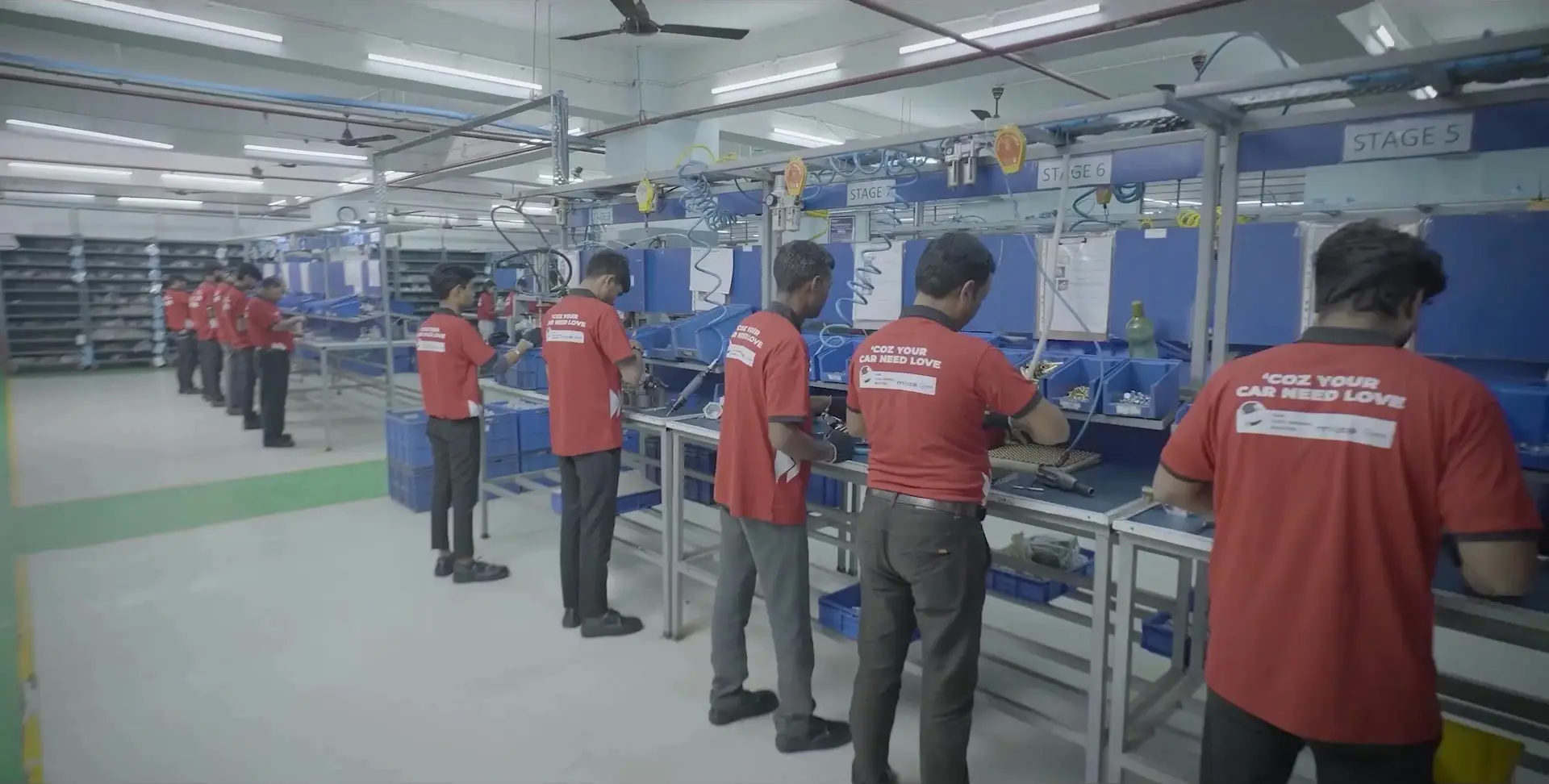
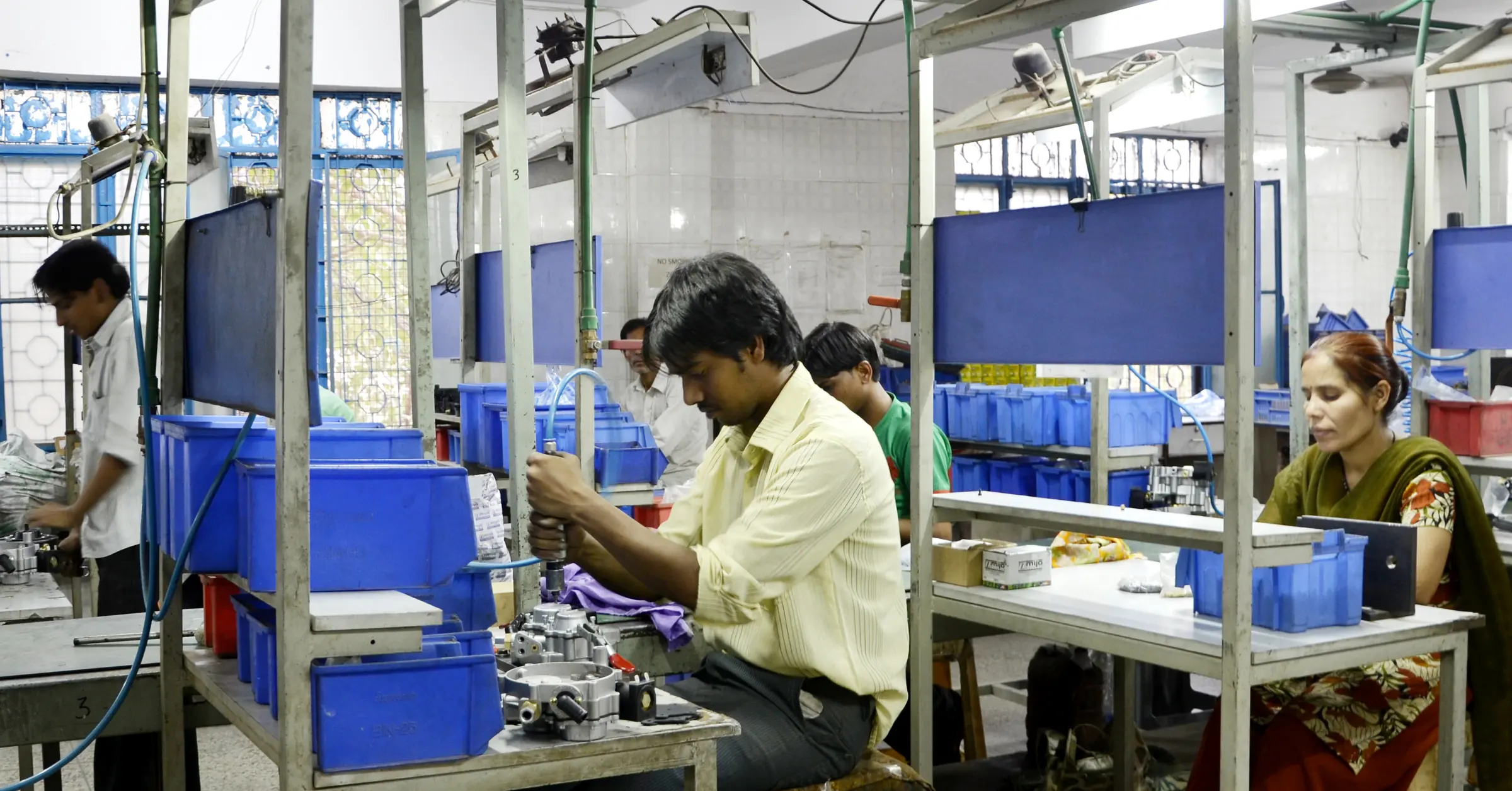
Mechanical and electronic products are assembled through defined operations before the relevant checks and release route.
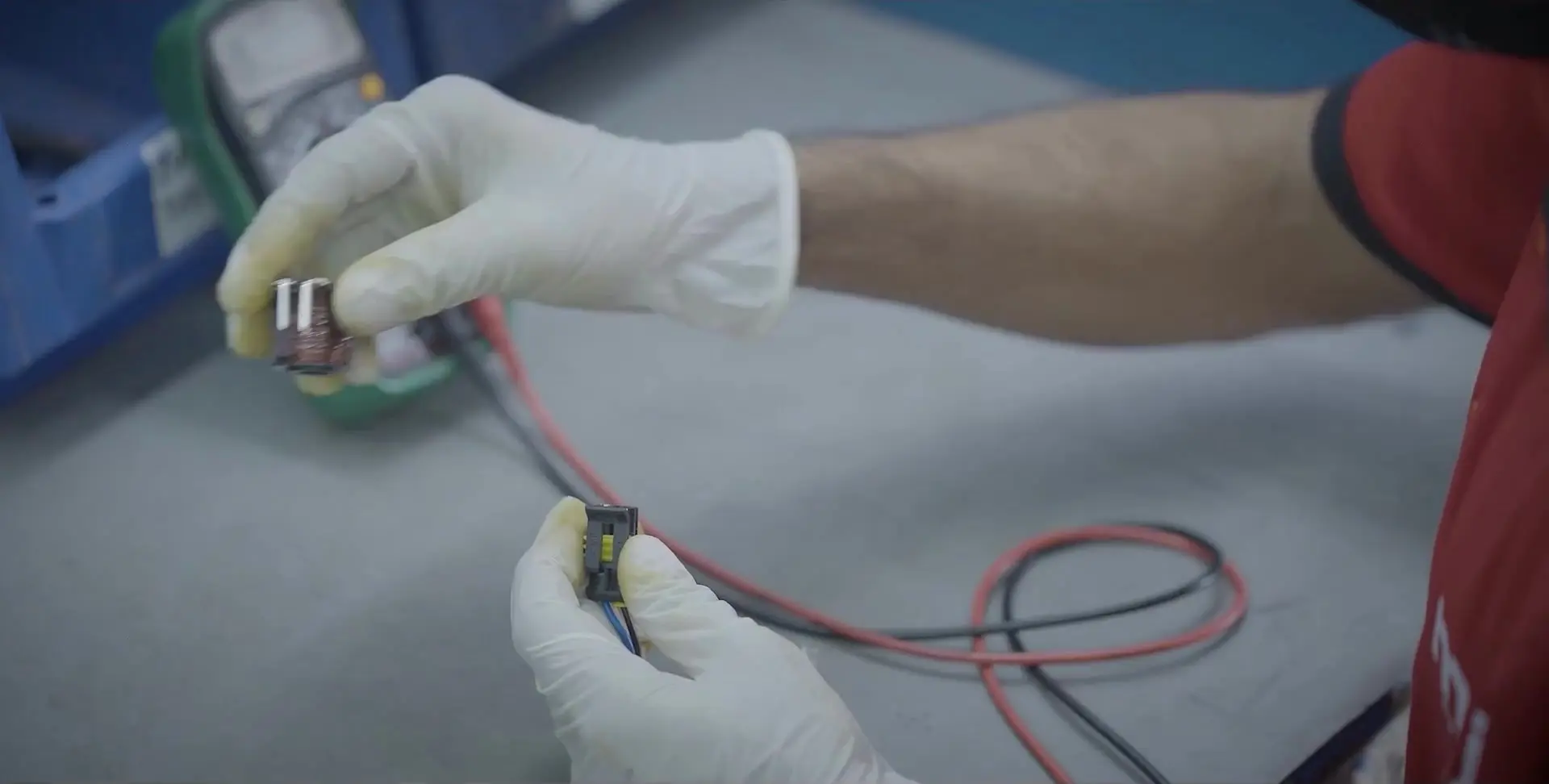
Test-lab checks and vehicle-level evaluation connect product performance with the engine and operating conditions it will face.
Follow the control points from product definition through manufacture, verification and application validation.
See the production flow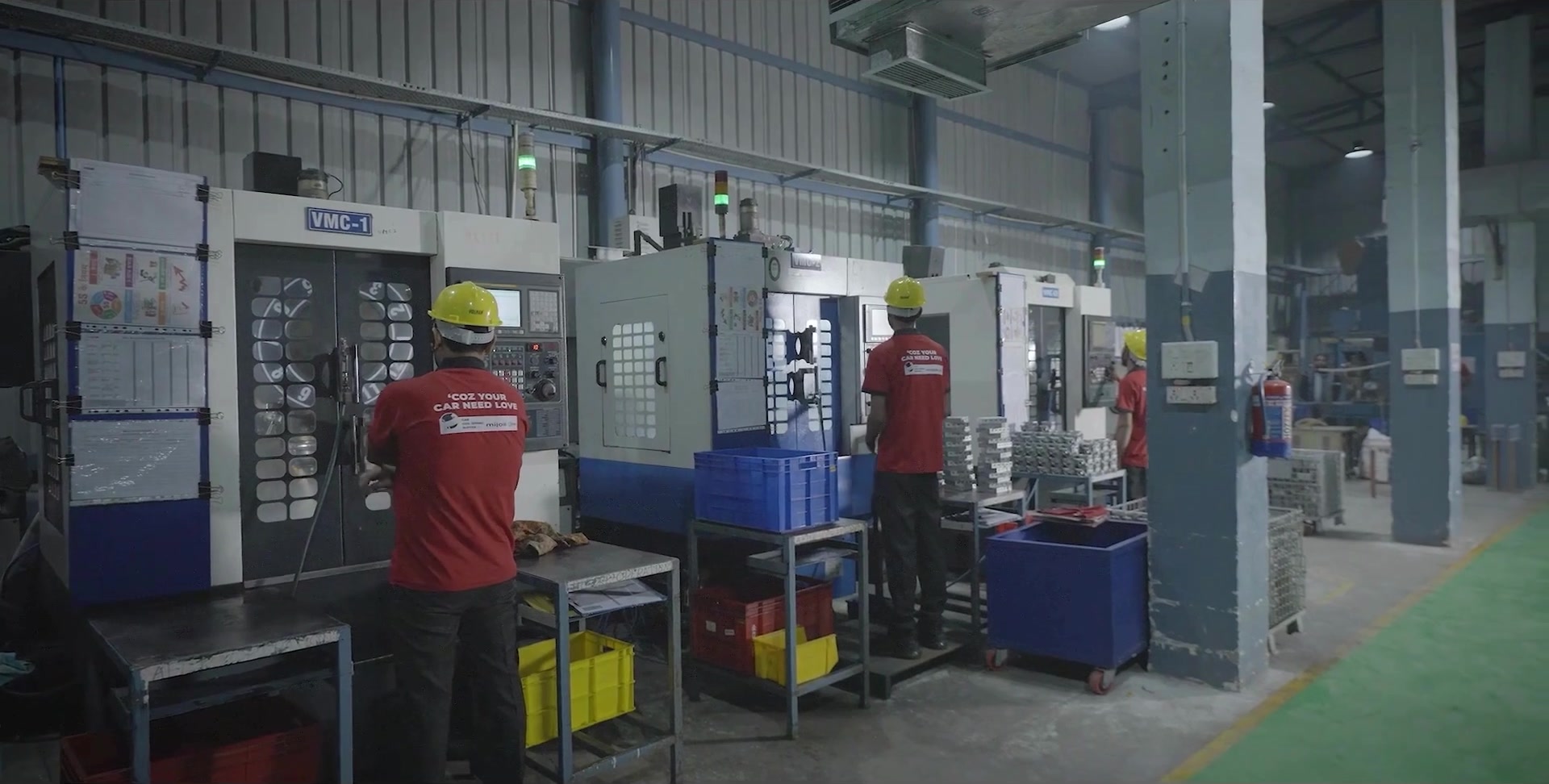
Manufacturing in India
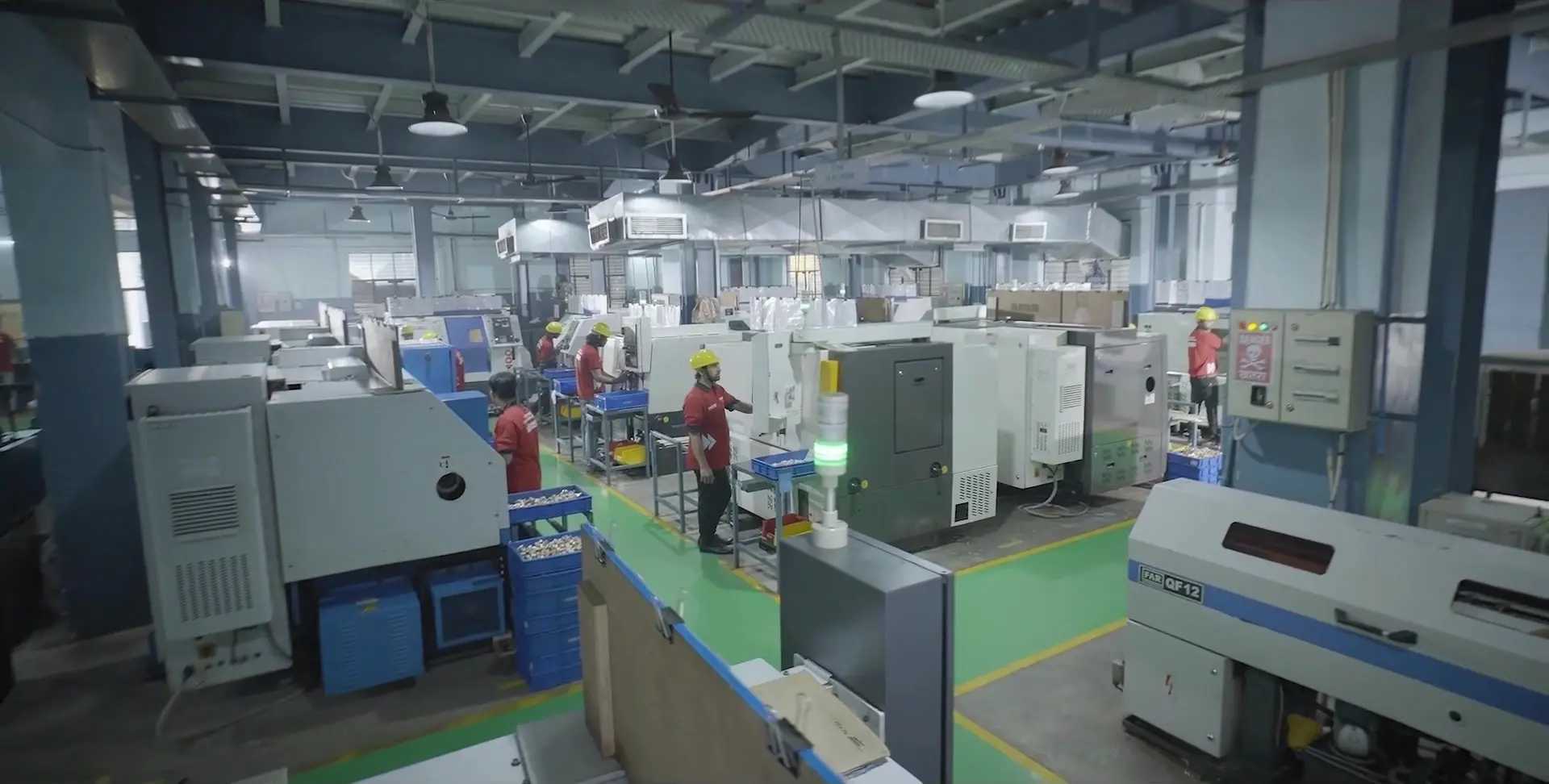
MIJO's Delhi NCR operations connect production equipment and controlled assembly with the checks required before a component or system moves to its intended application.
From requirement to release
The exact route changes by product, but the control points remain consistent: define the function, make the part, verify it and match it to its intended application.
Product function, interfaces and application requirements are established.
Tooling, CNC machining and controlled assembly create the production part.
Pressure, electrical, flow, dimensional or functional checks are applied as relevant.
The system is assessed against the confirmed vehicle, engine or operating duty.
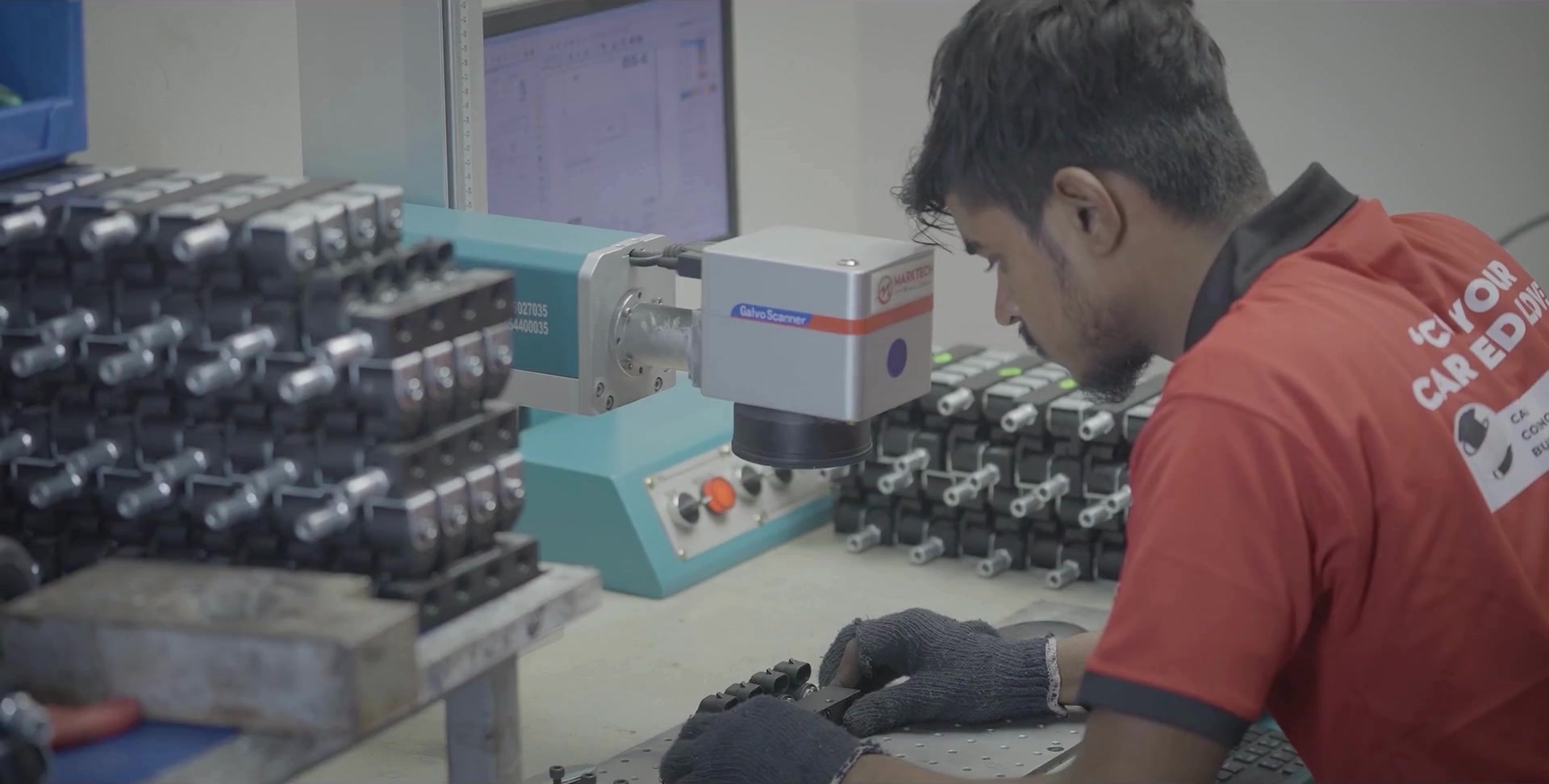
Manufacturing control
Product development, tooling, machining and assembly are managed through MIJO's operating structure so the production requirement stays connected to the component's role in the complete system.
Testing by function
A reducer, injector rail and electronic controller are not verified in the same way. The relevant checks follow the component's purpose and approved specification.
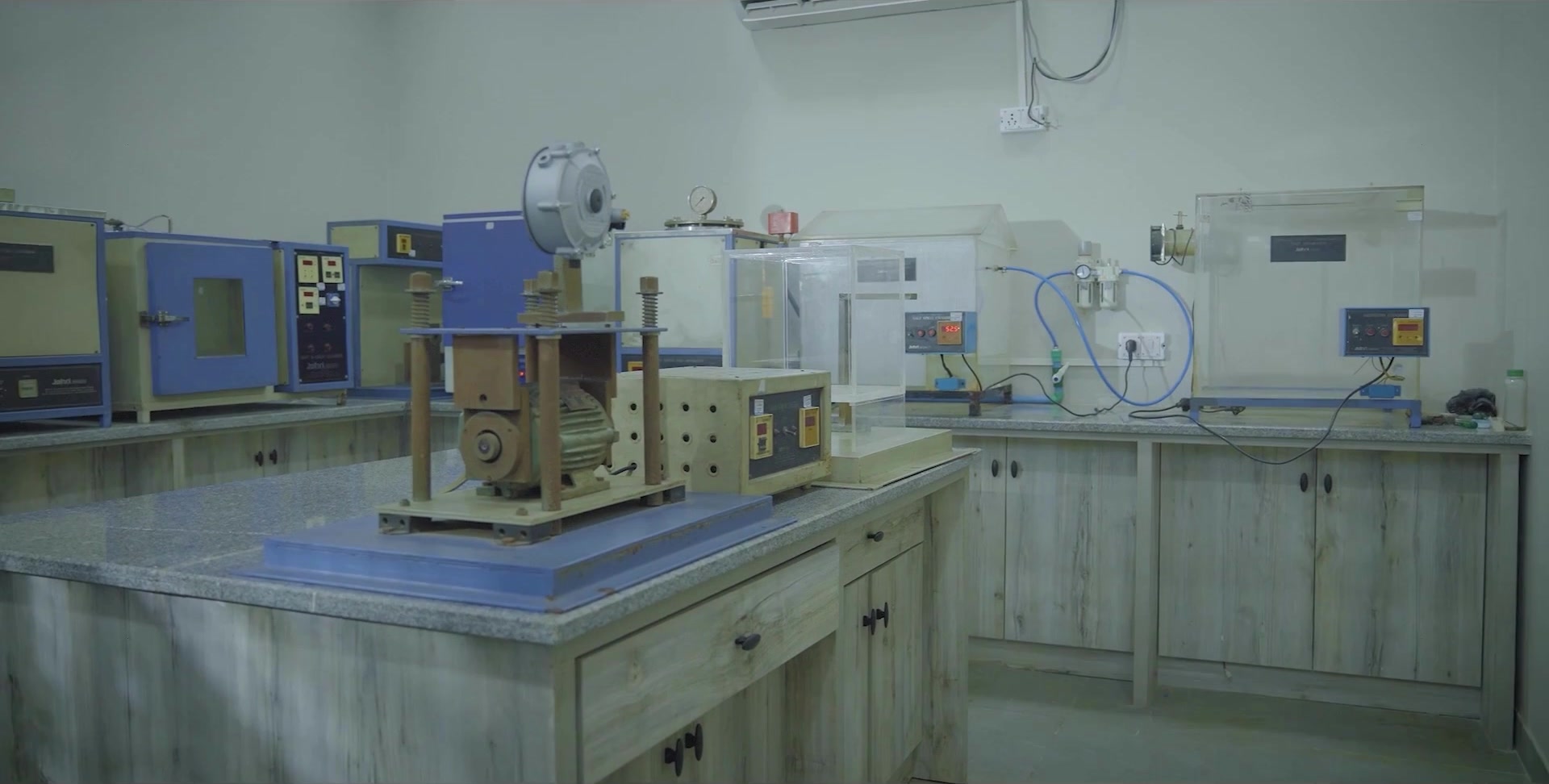 Laboratory equipment
Dedicated equipment supports product-specific electrical, pressure and functional verification, including injector-rail displacement and flow checks where relevant.
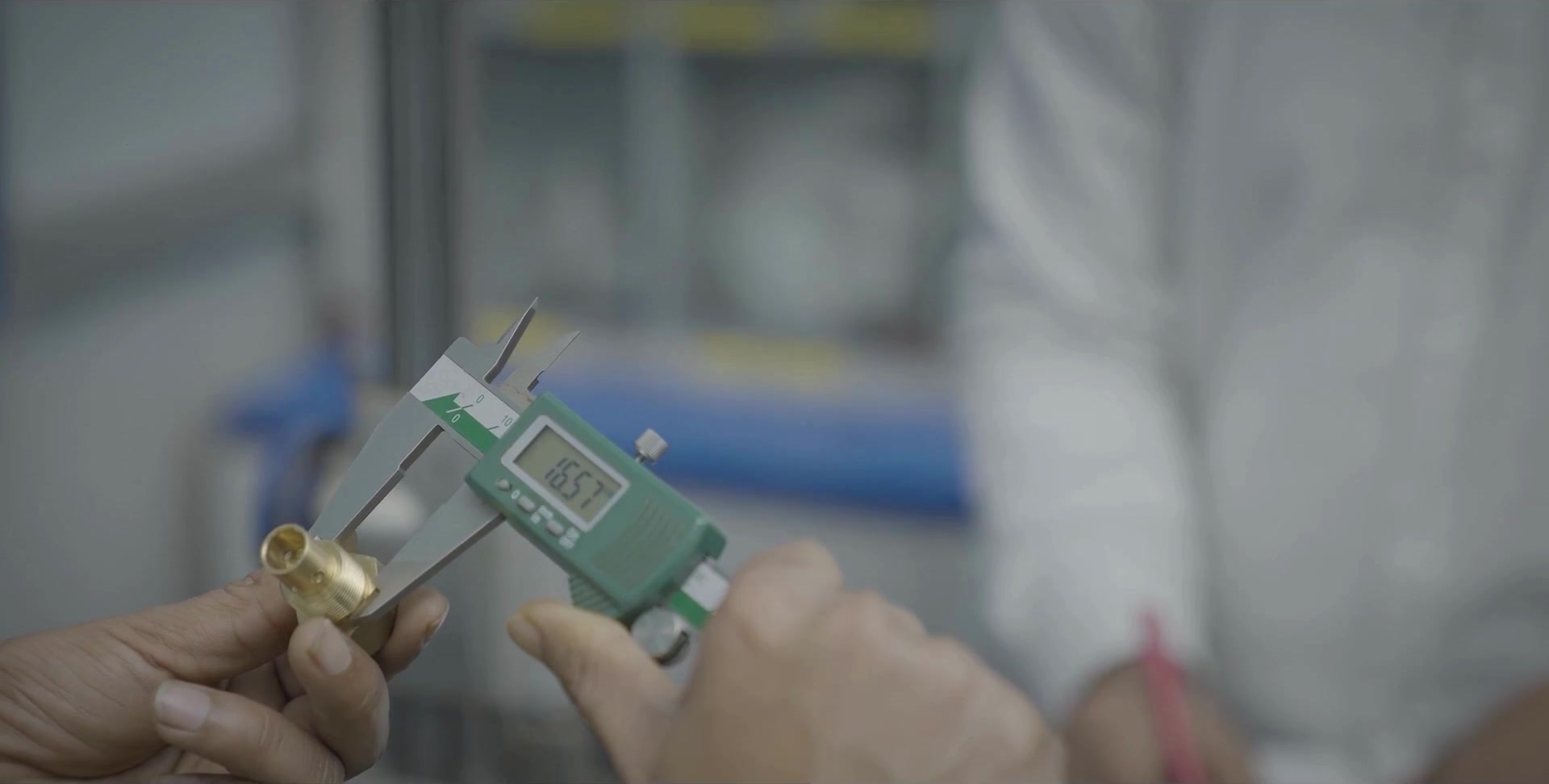 Mechanical verification
Dimensional and mechanical checks are selected according to the part, material and intended operating function.
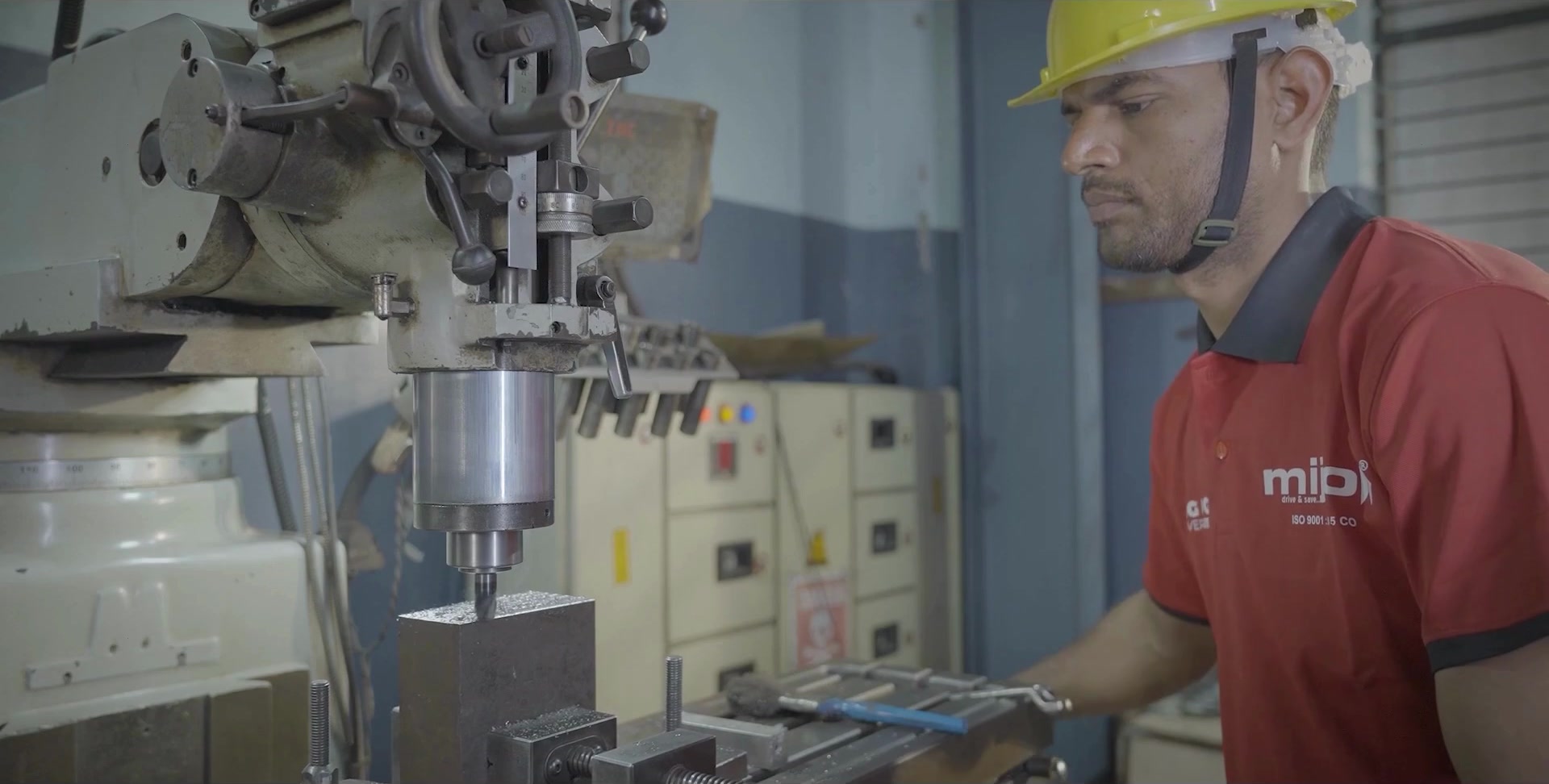 Controlled production
Production operations connect controlled machining with downstream assembly, end-of-line checks and verification.
Programme information
Share the product or platform, expected application, operating conditions, destination market, anticipated volume and required documentation. This keeps the manufacturing discussion tied to the technical and programme context that defines it.
Start a manufacturing enquiry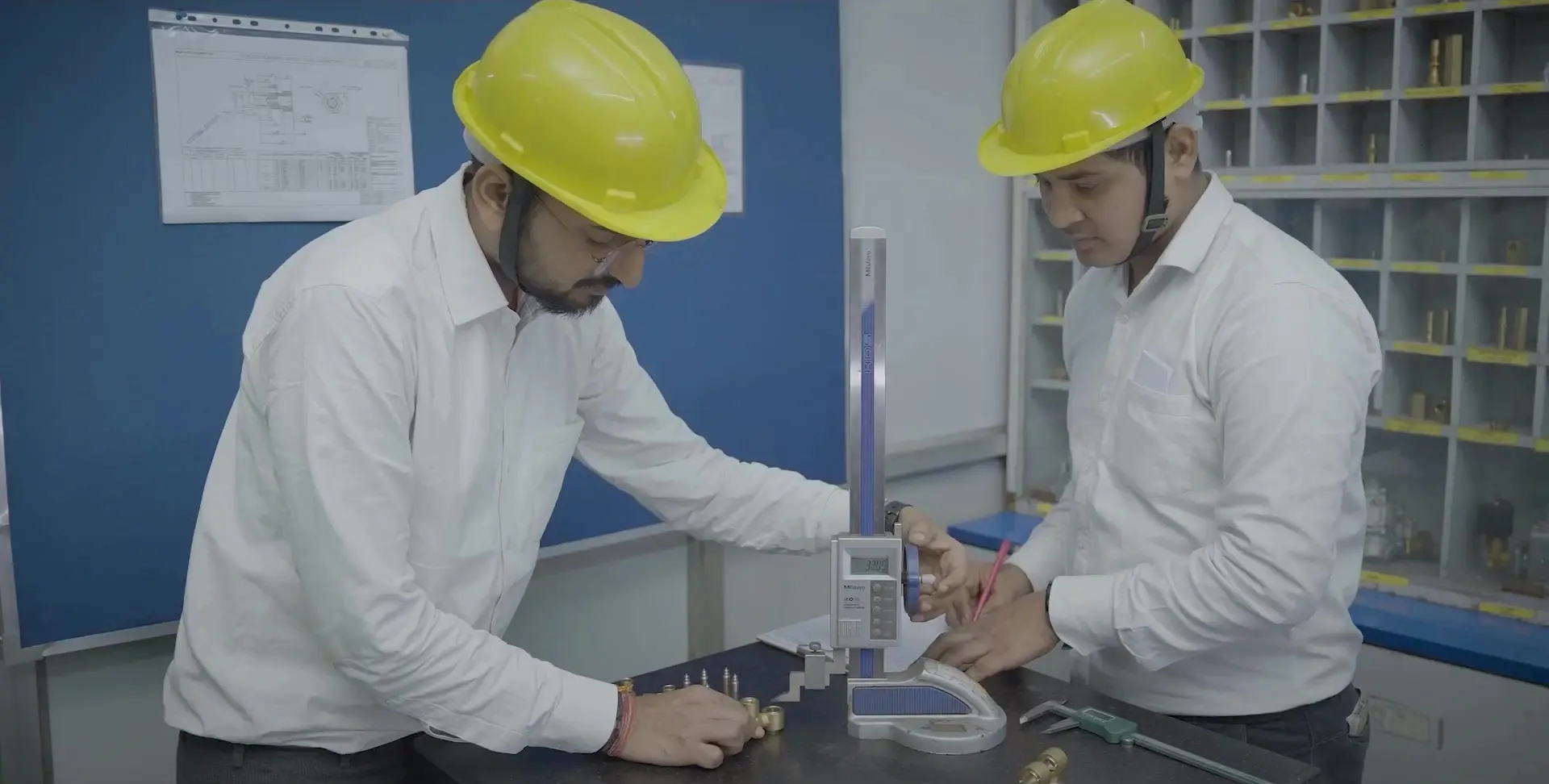
Quality and approvals
MIJO's quality-management system is certified to ISO 9001:2015. Product and component approvals are handled according to the exact fuel, model, application and destination market; standards such as ISO 15500, ECE R110 and ECE R67 therefore apply only where the relevant product documentation confirms them.
People and partnerships
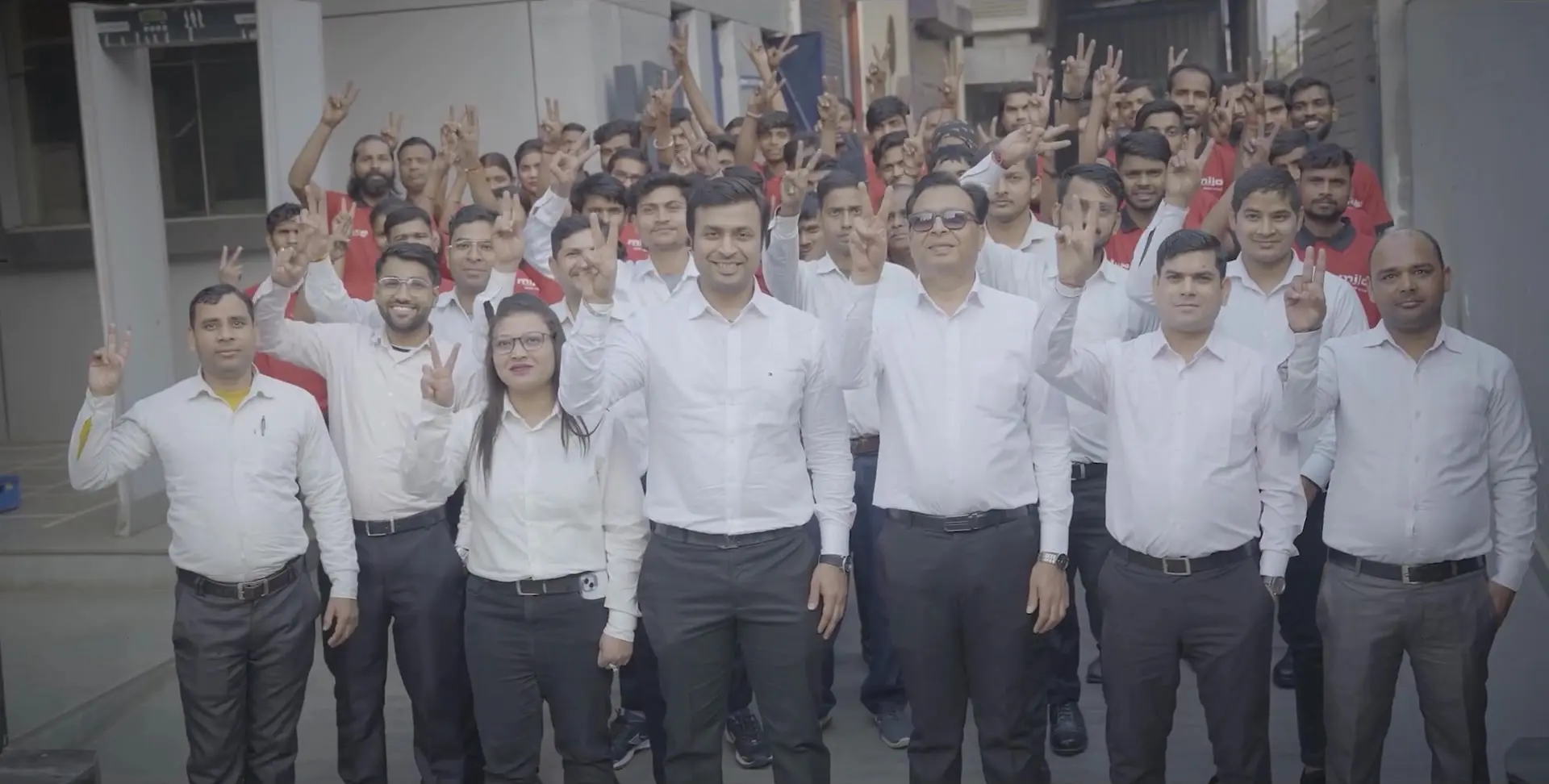
MIJO's engineers, production teams and commercial teams work with the workshops, distributors, fleets and project partners who see the product perform in the field. That exchange is central to how requirements are understood and how the correct technical route is selected.
From its Delhi NCR base, MIJO supports partners across India and international markets in Africa, Asia and the Americas. Export and collaboration work begins with the destination market, vehicle or engine platform, operating duty and required documentation.
Delhi NCR base
Corporate coordination in New Delhi and manufacturing in Kundli connect product, partner and production requirements.
Share the vehicle, component, market or project context and the enquiry can be directed correctly.
Contact MIJO →Next step
Explore the product range, review the manufacturing route or share a vehicle, business or project requirement with the team.